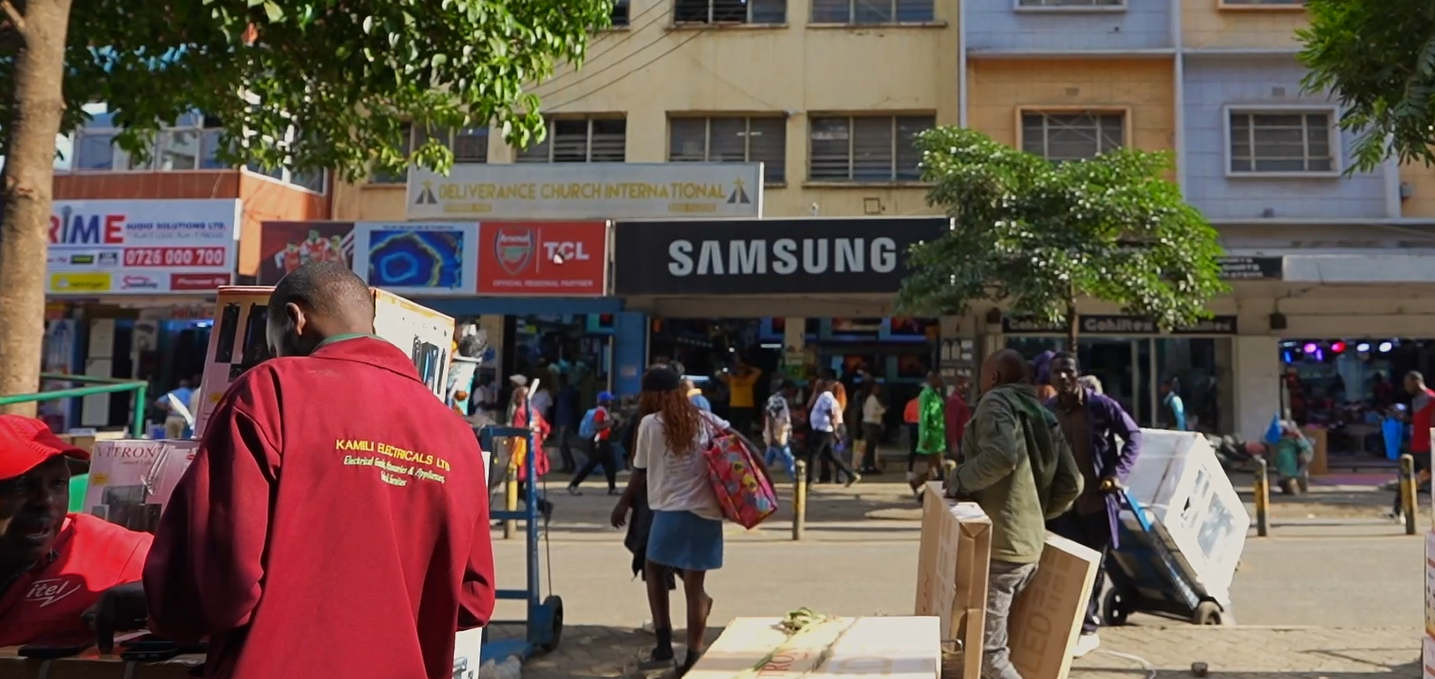
A trip to Kenya Nairobi's central electronics hubs
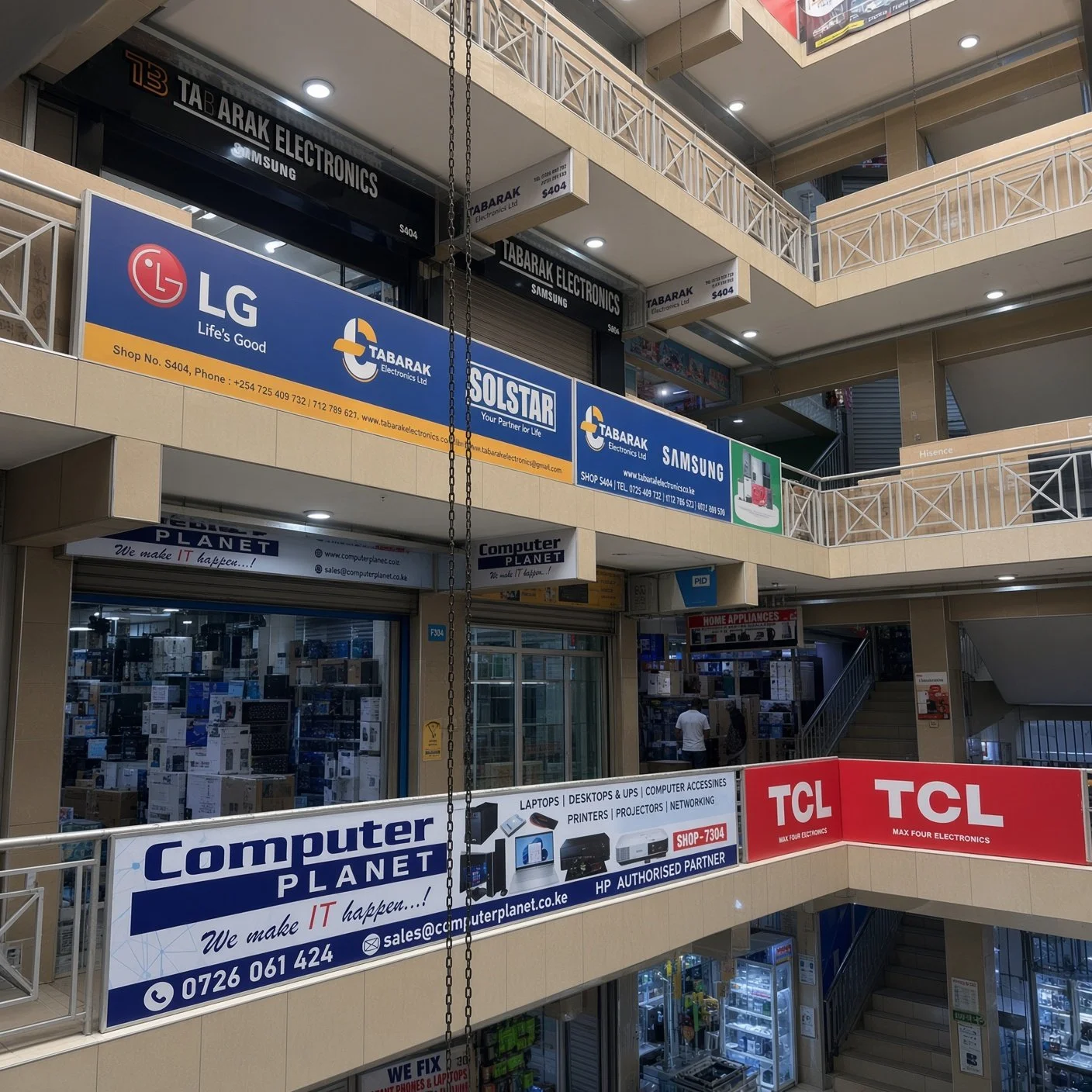
Just spent two days walking through Luthuli Avenue in Nairobi, Kenya—the primary electronics hub in East Africa where importers, wholesalers, and rural retailers meet. Here are some observations and thoughts from the ground:
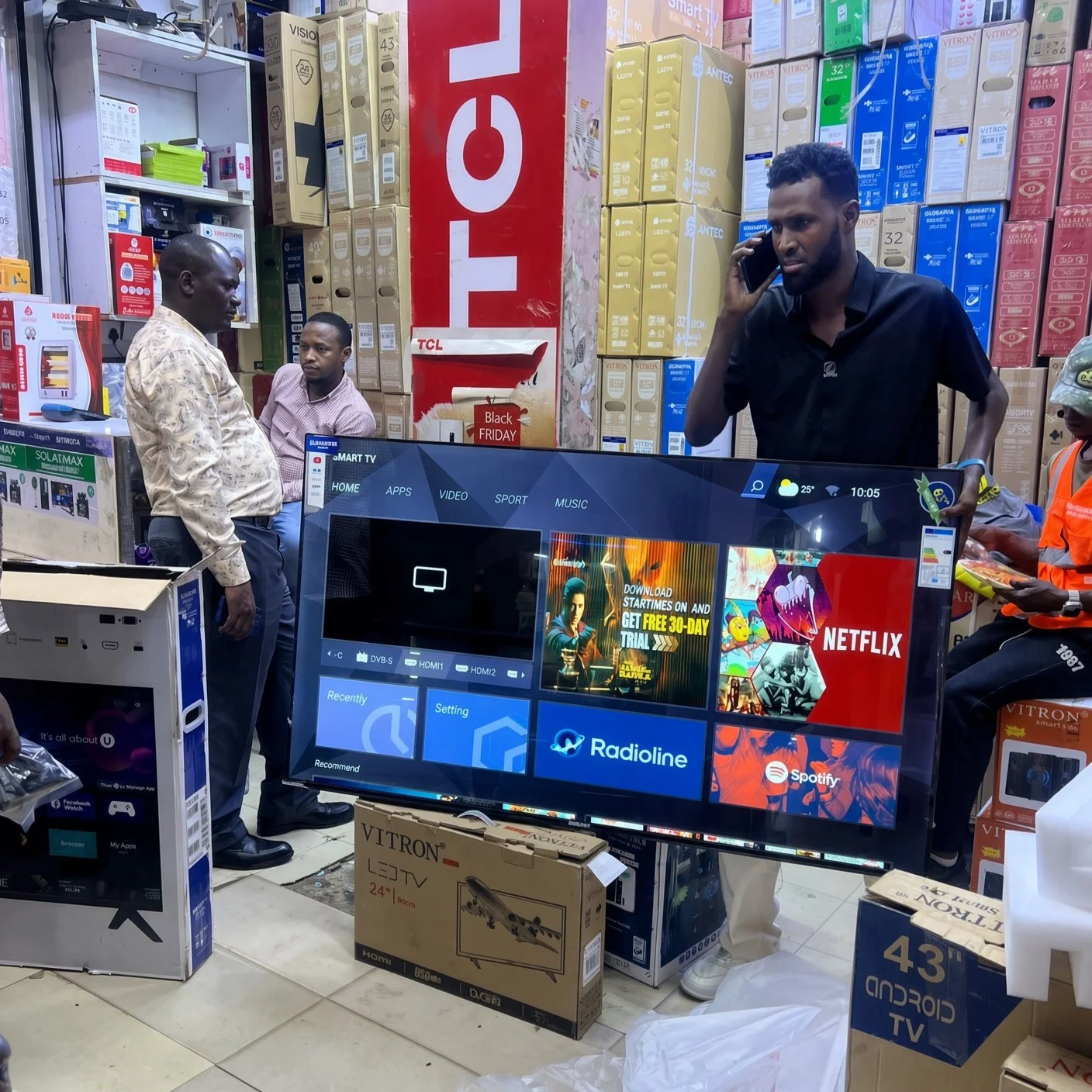
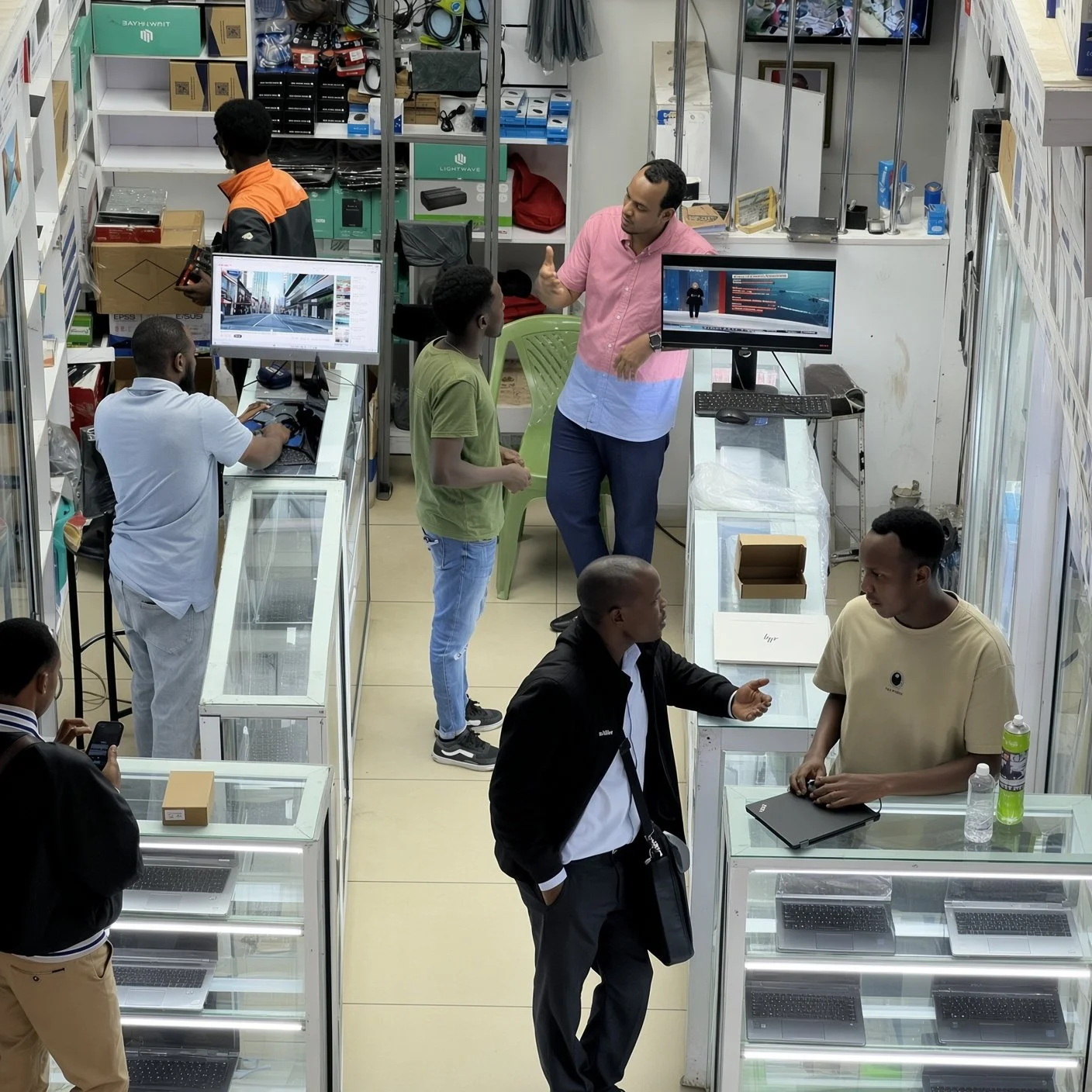
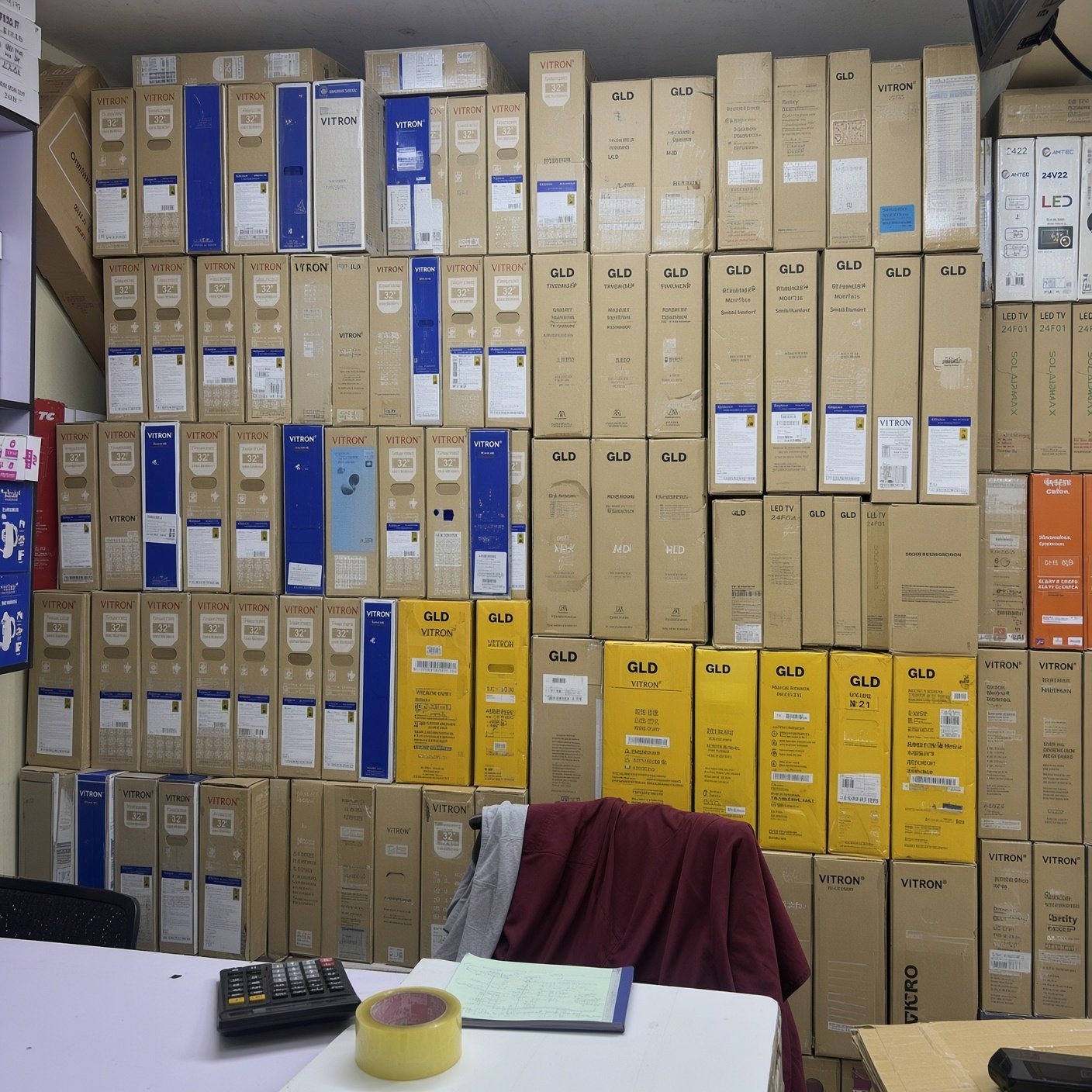
No Retail Space for Low-Grade Scrap - After talking to shop owners across the market run by Somali, Indian, Pakistani, and Kenyan, I dont see scrap or low-grade junk— I see new, highly functional, Grade-A refurbished laptops (sourced via Dubai) running Windows 10/11 and dominant brands like Samsung, LG, Tecno, and many Chinese manufacturer dominated localized production, assembly, and aggressive distribution.
Technology become more accessible - Locally tailored, low-cost new hardware has choked out the market space. A brand-new, localized phone with a warranty for $70–$100, or a high-grade refurbished laptop for daily work.
The end of offloading? Real e-waste doesn't magically disappear onto retail streets—it goes to informal scrap yards or specialized local recyclers. What if - treating overseas markets as a convenient outlet for unvetted mixed electronics coming to an end?
Domestic processing replace the hope of offloading mixed electronics overseas - With tighten regulatory control and compliance, industry transparency and more resources towards building domestic capacity for circularity, recycling infrastructure.
If tech hubs in East Africa won't take our low-grade e-waste, where do Western supply chains think it’s actually going? Could it be shifting to other countries with even lower GDP per capita, or will those markets hit the exact same wall?
For ITAD providers and recyclers, relying on export markets to absorb low-grade material is no longer a viable downstream strategy.